

Healthcare AI
DentalAI — Advanced Diagnostic Imaging Assistant
DentalAI is a revolutionary diagnostic tool that functions as an intelligent second opinion system for dental practitioners. The platform processes panoramic X-rays, bitewing radiographs, and CBCT scans through a sophisticated convolutional neural network trained on over 500,000 annotated dental images. Beyond simple cavity detection, the system identifies a comprehensive range of pathologies including periapical lesions, bone loss patterns, impacted teeth, cysts, tumors, and even subtle signs of systemic diseases manifesting in oral tissues. The AI highlights areas of concern with color-coded confidence scores, provides comparative analysis against the patient's historical images to track progression, and generates preliminary diagnostic reports that integrate seamlessly into existing practice workflows. The system continuously learns from dentist feedback, improving its accuracy through active learning loops while maintaining full HIPAA compliance and patient privacy protections.
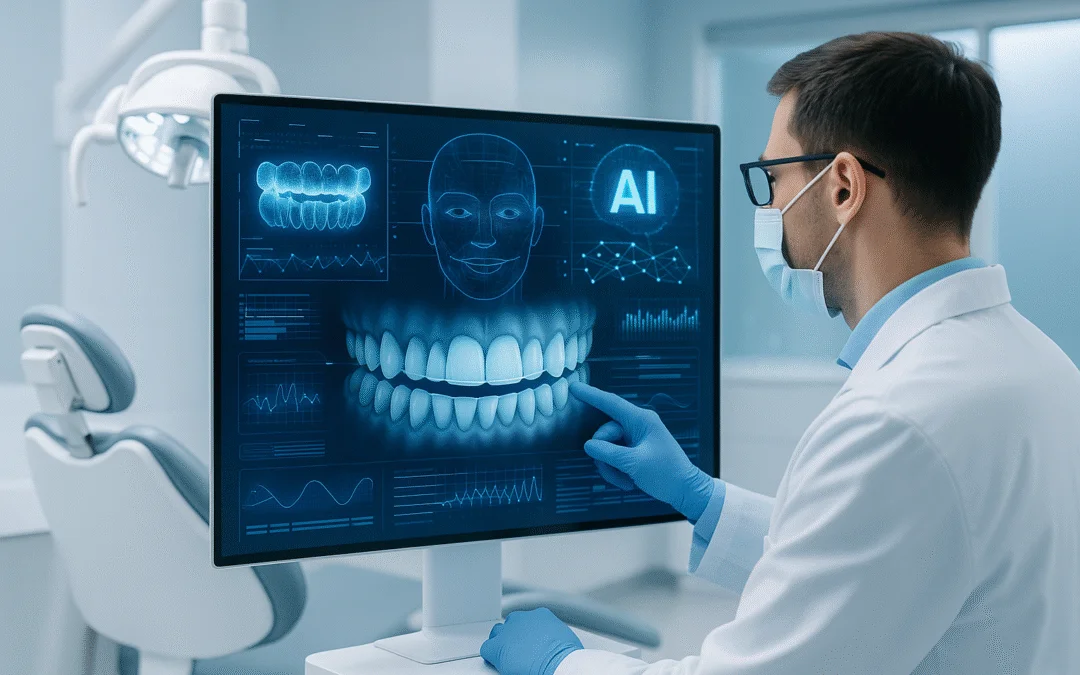
Problem: Dental practices were facing a growing crisis in diagnostic quality and efficiency. The average dentist reviews hundreds of radiographic images weekly, and human attention naturally wanes under this cognitive load—leading to diagnostic errors, particularly for subtle early-stage pathologies. Research showed that up to 15% of cavities and 30% of early periodontal bone loss cases were being missed in initial reviews, only to be caught later when treatment became more invasive and expensive. The problem was compounded by inconsistency: different dentists within the same practice might interpret the same X-ray differently based on their experience level, fatigue, or specialty background. Junior associates particularly struggled with complex cases, requiring frequent consultations with senior partners that disrupted workflow. Practices also faced liability concerns, as missed diagnoses increasingly led to malpractice claims. The manual review process created bottlenecks during busy periods, with images sometimes sitting unreviewed for days. Additionally, comparing current images with historical films to track disease progression was time-consuming and subjective. Patients were often unaware of issues until symptoms manifested, missing crucial early intervention windows. The industry needed a solution that could augment human expertise without replacing the dentist's critical judgment.
Solution: We developed an end-to-end AI diagnostic platform that integrates directly into dental practice management software through standard DICOM interfaces. The technical foundation is a custom-designed convolutional neural network architecture optimized specifically for dental radiography, trained on a massive, diverse dataset encompassing multiple imaging modalities and pathology types. The training process involved collaboration with a panel of board-certified oral radiologists who provided expert annotations, ensuring the AI learned from the highest-quality diagnostic labels. The system processes uploaded images in under 3 seconds, generating a detailed analysis report that highlights potential pathologies with bounding boxes, confidence percentages, and relevant clinical notes. Crucially, we implemented an explainable AI layer that shows dentists *why* the algorithm flagged specific areas by visualizing the neural network's attention maps—building trust and enabling dentists to validate findings against their clinical judgment. The platform includes a temporal analysis module that automatically retrieves and compares previous images of the same patient, quantifying changes over time and alerting to disease progression. We also built a feedback mechanism where dentists can confirm, reject, or refine AI findings; this data feeds back into the model through continual learning pipelines, steadily improving accuracy. For practice administrators, we created an analytics dashboard showing diagnostic patterns, case complexity distributions, and quality metrics across practitioners. The solution also includes a patient communication module that generates easy-to-understand visual explanations of findings, improving informed consent and treatment acceptance rates.
Tech Stack
- React
- Flask
- TensorFlow
- PostgreSQL