

Automotive
ZoomRide — Intelligent Fleet Management & Booking Platform
ZoomRide is a comprehensive fleet management and rental platform designed to digitize and optimize every aspect of vehicle rental operations. The customer-facing booking portal features real-time vehicle availability search with detailed specifications, photos, and reviews. Customers can filter by vehicle type, price range, features, and location, then complete reservations with integrated payment processing and digital contract signing—all without human intervention. The system includes identity verification and driver's license validation through third-party API integrations. For fleet operations, the platform provides GPS-enabled real-time tracking of every vehicle's location, status, and mileage. Automated maintenance scheduling triggers service reminders based on mileage intervals, time periods, or fault codes transmitted from vehicle telematics. The dispatch system optimizes vehicle allocation to minimize repositioning costs while meeting customer demand across locations. Check-in/check-out workflows are digitized through mobile apps with photo documentation, damage assessment checklists, and fuel level verification. The business intelligence suite includes revenue analytics, utilization rates, profitability per vehicle, customer lifetime value tracking, and predictive analytics for demand forecasting. Integration with insurance providers automates coverage verification, while accounting system connections streamline invoicing and financial reporting.
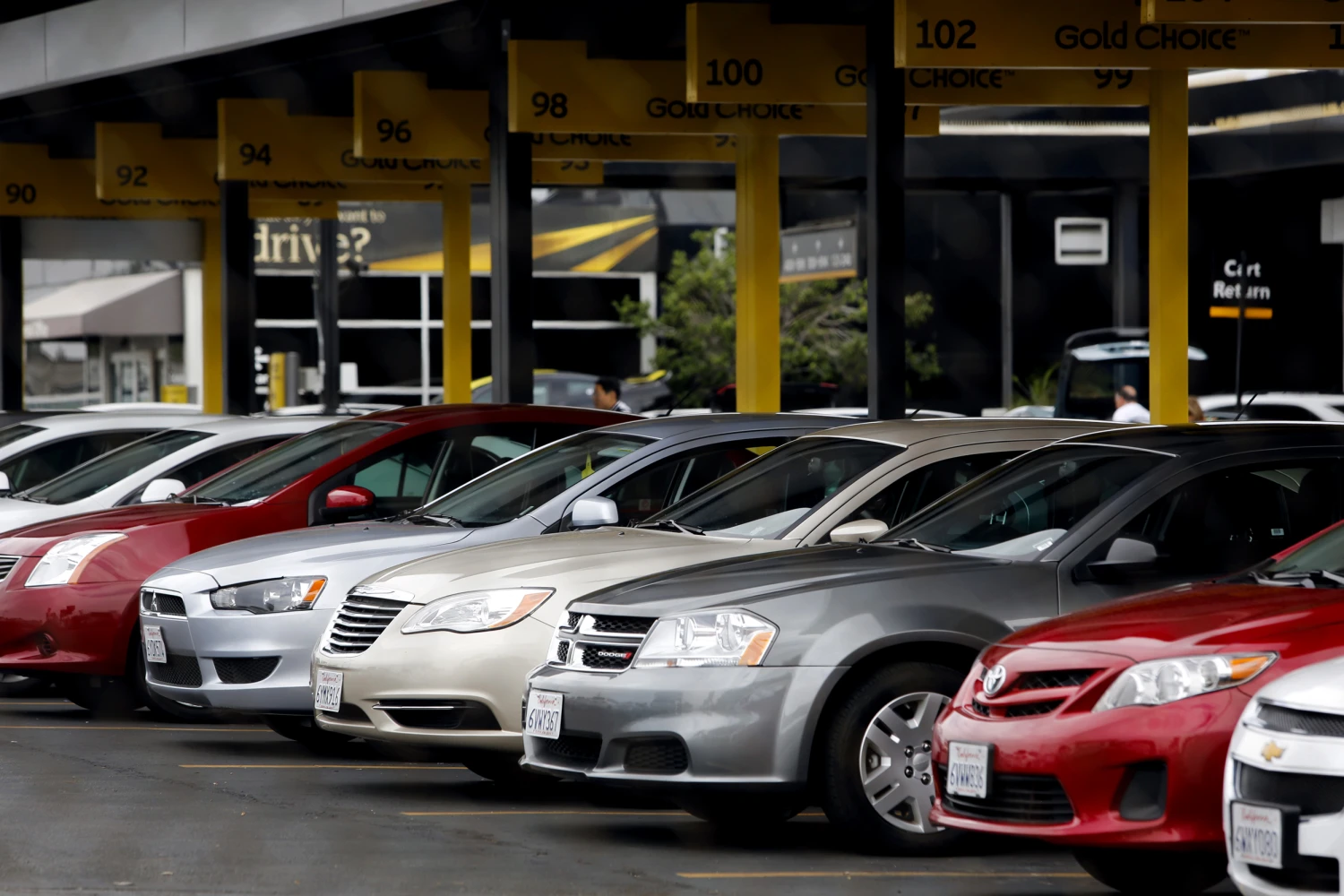
Problem: ZoomRide Rentals was drowning in operational inefficiency and paper-based chaos. Their booking process was a multi-step nightmare: customers called or emailed to check availability, staff manually searched through Excel spreadsheets tracking vehicle status, reservations were written on paper forms, payment was collected via manual credit card terminal, and rental agreements were printed, signed, and filed in physical folders. This archaic system created constant headaches: double-bookings occurred regularly when multiple staff members simultaneously promised the same vehicle to different customers. There was no centralized visibility into fleet status—vehicles would be sitting idle at one location while customers were turned away at another due to apparent unavailability. Tracking vehicle locations was impossible; customer disputes about where they returned vehicles couldn't be definitively resolved. Maintenance was reactive rather than preventive—vehicles would break down during rentals, creating expensive roadside service calls and angry customers. Staff had no systematic way to know when vehicles needed oil changes or inspections until problems arose. The damage assessment process at return was subjective and contentious—without timestamped photo evidence, customers would dispute damage charges, leading to revenue loss or negative reviews. Billing errors were frequent: manual calculation of rental duration, mileage overages, and add-on charges led to undercharging (lost revenue) or overcharging (customer complaints). Financial reporting was a monthly nightmare requiring days of spreadsheet reconciliation. Customer service suffered immensely: staff couldn't quickly access rental histories, couldn't verify customer insurance status efficiently, and had no data on customer preferences to enable personalization. During peak seasons, the phone lines were constantly jammed with availability inquiries while staff frantically juggled calls, bookings, and vehicle movements. The company was losing potential bookings simply because customers couldn't reach them or grew frustrated with the slow, manual process. Marketing was hamstrung by lack of customer data—no email collection system, no analysis of rental patterns, no ability to target promotions effectively. Perhaps most critically, the founders had no real-time visibility into business performance; they discovered problems weeks later through accounting reports, too late for corrective action. The manual, paper-intensive operations made scaling impossible—adding locations would have meant proportionally adding staff to manage the chaos.
Solution: We delivered a complete digital transformation platform that automates ZoomRide's entire rental lifecycle. The foundation is a modern web application featuring a public booking portal where customers can browse available vehicles with detailed specifications, photos, customer ratings, and real-time pricing based on duration and season. The search interface includes sophisticated filtering (vehicle class, transmission type, passenger capacity, features like GPS or child seats) and an interactive availability calendar. The checkout flow integrates Stripe for secure payment processing, electronic signature capture for rental agreements (legally binding documents generated from templates), and automated identity verification through ID.me and driver's license validation via third-party MVR services. Upon successful booking, the system automatically sends confirmation emails with QR codes for contactless vehicle pickup. The heart of the platform is the fleet management dashboard designed for operations staff. A real-time map displays every vehicle's location via GPS telematics integration, with color-coded status indicators (available, rented, in maintenance, in transit). Clicking any vehicle reveals comprehensive details: current odometer reading, maintenance history, upcoming service requirements, rental history, and profitability metrics. The dispatch system we built uses optimization algorithms to manage vehicle distribution—it identifies vehicles that need repositioning between locations and generates efficient transfer routes. When vehicles approach service intervals (mileage-based or time-based), the system automatically creates maintenance work orders and can even book appointments with preferred service providers through API integrations. Check-in and check-out processes are digitized through iOS and Android apps for staff: at vehicle pickup, staff use the app to photograph the vehicle from multiple angles, complete a digital damage inspection checklist, verify fuel level, and record odometer reading—all timestamped and GPS-tagged for dispute resolution. The same process occurs at return, with the system automatically calculating charges for rental duration, mileage overages, fuel differences, and any damage assessed. Digital contracts are retrieved via customer QR codes, countersigned by staff, and archived in cloud storage with complete audit trails. For business intelligence, we created a comprehensive analytics dashboard with key metrics: overall fleet utilization rates (percentage of time vehicles are rented vs. idle), revenue per vehicle per day, customer acquisition costs, repeat customer rates, average rental duration, and profitability analysis by vehicle class. Predictive models forecast demand patterns to inform fleet composition decisions—whether to acquire more SUVs vs. sedans, for example. The customer relationship management module maintains detailed profiles: rental history, preferences, insurance information, and communication logs. Automated marketing workflows send post-rental survey requests, birthday discounts, and targeted promotions based on rental patterns. Integration with insurance verification services allows instant validation of customer coverage. The platform includes a mobile customer app for self-service: viewing upcoming reservations, extending rentals, requesting roadside assistance, and reviewing rental history. We implemented a review system where customers can rate vehicles and overall experience, providing social proof for future renters and quality feedback for operations. Financial reporting is fully automated: daily revenue reports, monthly P&L statements, and integration with QuickBooks for seamless accounting. The system also handles complex scenarios like multi-location rentals (pick up at one location, drop off at another) with automated inter-location billing. Role-based access controls ensure staff at each location see only relevant data while management has complete system-wide visibility.
Tech Stack
- Laravel
- Vue.js
- Google Maps API
- MySQL